How to Conduct a Perfume Consultation: Expert Guide

The Fundamentals and Importance of Perfume Consultation
Perfume consultation is a professional process carried out to discover an individual's olfactory identity and determine the most suitable aromas accordingly. This comprehensive assessment considers not only personal preferences but also the individual's lifestyle, skin type, and emotional needs. A qualified consultation transforms the complex layers of the perfume world into a meaningful experience.
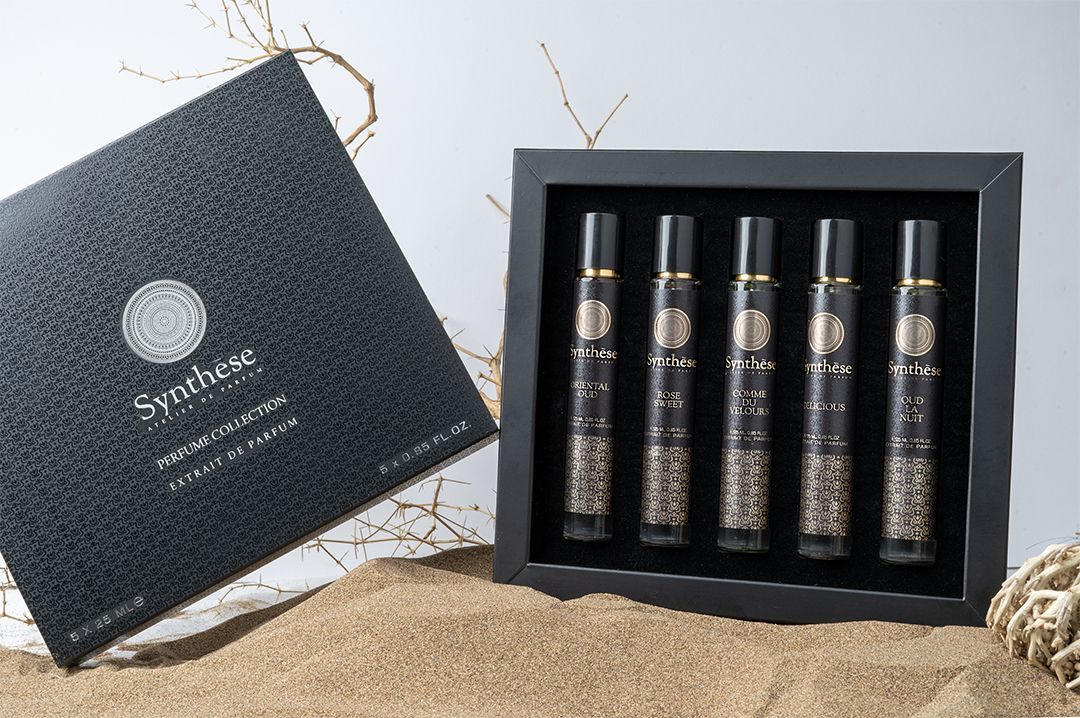
In the olfactory consulting process, an approach that blends the science of aromatherapy with personal aesthetic understanding is adopted. This methodology is based on the principle that perfume should not only smell pleasant but also reflect the individual's inner world and the identity they wish to project. Niche perfume ateliers like Synthese Atelier de Parfum address this approach with an artistic perspective, offering unique solutions.
Preparation Process Before Consultation
Determining the Customer Profile
The first step for an effective perfume consultation is to create a detailed customer profile. This profile requires a multi-dimensional analysis including age, occupation, social activities, and personality traits. The perfume expert systematically gathers this information during the preliminary interview with the customer and assesses their approach to aromas.
When creating a personal preference map, the customer's past reactions to perfumes they have used also provide important clues. This retrospective analysis is critical for predicting which fragrance families should be avoided and which aromas will resonate positively.
Reviewing the Olfactory History
Every individual has a unique scent memory, and this memory plays a decisive role in perfume selection. Childhood memories, family traditions, and cultural references shape a person's approach to aromas. The consultant must carefully analyze this olfactory history to identify perfume alternatives that will strengthen the customer's emotional connections.
"Scent memory is the brain's most primitive and powerful recording system. Every aroma builds bridges with the past while also making emotional investments for the future."
Professional Consultation Techniques
Phased Scent Degustation
Perfume degustation, similar to wine tasting, is a systematic and phased process. In the first phase, examples from broad fragrance families are presented to determine the customer's general inclinations. This phase provides a basic mapping covering woody, floral, oriental, and fresh categories.
In the second phase, more specific notes from the fragrance families that elicited a positive response from the customer are tested. During this process, top notes, heart notes, and base notes should be evaluated separately. Sufficient waiting time should be allowed between each stage to prevent olfactory fatigue.
Testing Skin Chemistry Compatibility
The development of perfume on the skin is related not only to its formulation but also to the individual's natural body chemistry. pH levels, moisture content, and hormonal cycles directly influence the projection and longevity of the perfume. Therefore, potential perfumes must be tested on the skin.
During the testing process, it is critical to observe the perfume's evolution at different time intervals. The first 15 minutes evaluate the top notes, the next 2-4 hours the heart notes, and after 8-12 hours the performance of the base notes. This long-term monitoring is indispensable for predicting how the perfume will be experienced in daily life.
Creating Personalized Recommendations
Occasion-Based Selections
Modern life requires various perfume alternatives for different social and professional situations. Subtle and professional aromas should be recommended for office environments, more dramatic and complex formulations for special evenings, and versatile options for daily use.
- For business life: Clean, fresh, and non-distracting formulations
- Social events: Strongly projecting, memorable nuances
- Intimate moments: Personal, warming, and sensual notes
- Daily routines: Versatile, comfort zone aromas
Seasonal Adaptation
Seasonal transitions are a critical factor in perfume selection. Changes in temperature, humidity, and atmospheric pressure directly affect the perfume's performance. Light, aquatic, and citrus notes are preferred for spring and summer months, while deeper, warming, and spicy characters are more suitable for autumn and winter.
Managing the Consultation Process
Optimization of Timing
An effective perfume consultation is a process that should not be rushed. An ideal consultation session should last between 60-90 minutes and include strategic breaks to prevent the customer from experiencing olfactory fatigue. During this time, it is recommended to test a maximum of 6-8 different perfumes.
The early hours of the day are when olfactory sensitivity is at its highest. In the afternoon and evening hours, due to the scent pollution of daily life, test results may be misleading. Additionally, women's perception of scent can vary at different stages of their menstrual cycle.
Elimination Process
After a comprehensive testing process, the final selection is made using the elimination method. In this process, both the customer's rational and emotional reactions should be taken into account. Sometimes, a perfume that initially makes a positive impression can cause olfactory fatigue with long-term use.
| Evaluation Criterion | Priority Level | Notes |
|---|---|---|
| Skin compatibility | Critical | Natural evolution on the skin |
| Emotional connection | High | Personal resonance and memory triggers |
| Versatility | Medium | Adaptability to different situations |
| Uniqueness | Medium | Personal signature character |
Post-Consultation Follow-up and Support
Adaptation Period Management
The transition to a new perfume requires adaptation for both the individual and their environment. In the first few weeks, it is important to observe the perfume's performance in different situations and adjust application techniques as needed. During this process, the consultant's support and guidance are valuable.
To ensure long-term satisfaction, regular follow-up meetings with the customer should be planned. These meetings provide opportunities to evaluate the perfume's performance across different seasons and life changes. This way, the perfume collection can be updated according to evolving needs.
Continuous Scent Education
Quality consultation services should not be limited to perfume selection but should also develop the customer's olfactory literacy. This includes providing information on recognizing scent notes, perfume application techniques, and layering methods.
Artisanal ateliers like Synthese Atelier de Parfum offer exclusive workshops and tasting sessions to their customers, creating experiences that deepen perfume culture. This approach is an effective strategy for building long-term relationships with customers and fostering brand loyalty.